🏳️🌈🏺2-Gay in History⚖️🏳️🌈
Romer v. Evans (1996) & Boy Scouts of America v. Dale (2000)
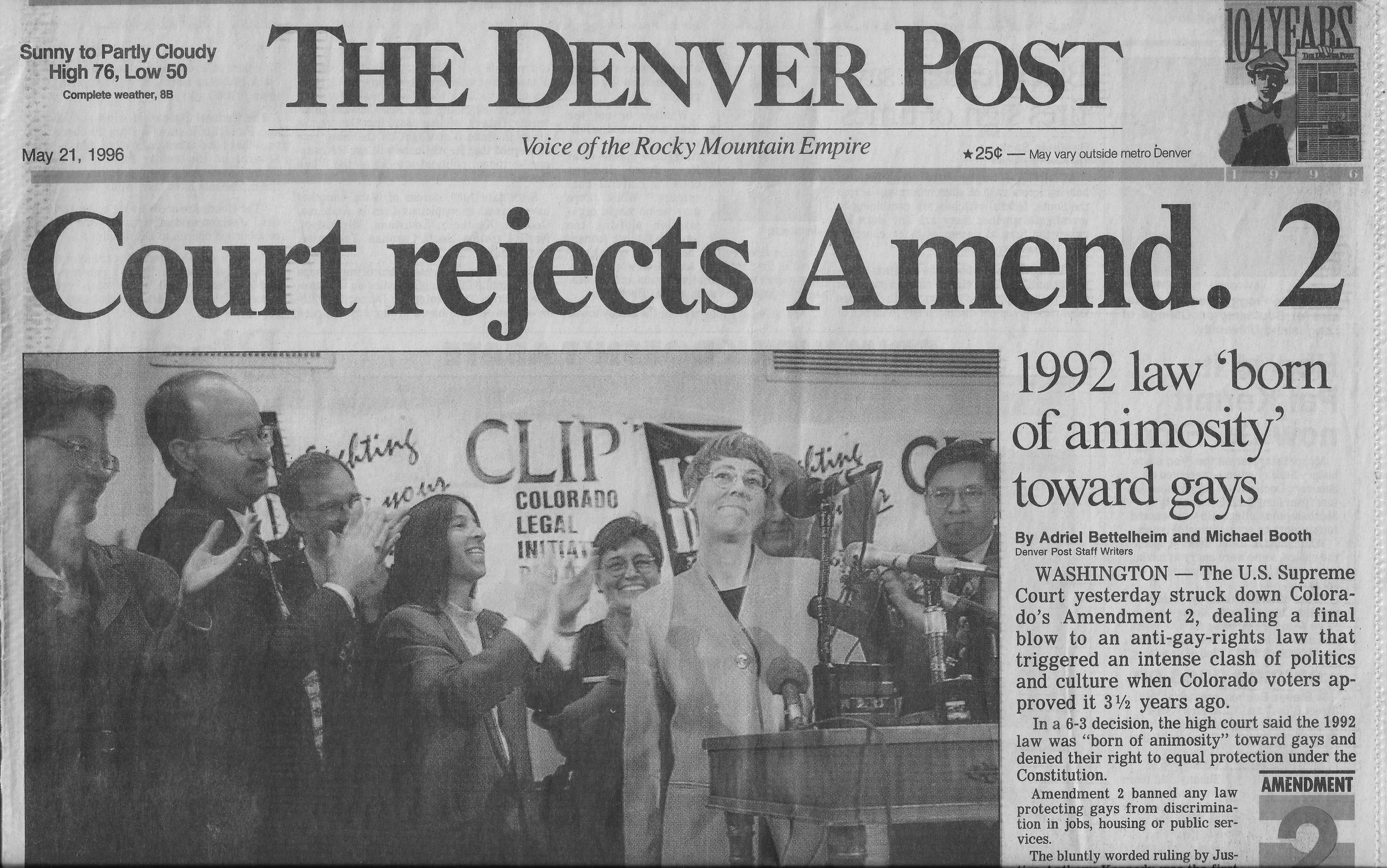
In 1992 at the height of the AIDS Epidemic with over 100 deaths a day, Colorado voters passed ballot Amendment 2 — not just refusing to extend protections to gay people, but invalidating ones they already had. Denver, Boulder, and Aspen had each passed local anti-discrimination ordinances until a single statewide vote erased them all. Rights people already lived under in liberal areas, gone overnight.
It was part of a coordinated national strategy using direct democracy against gay people — framed as stopping “special rights.” Colorado was the first test case that worked.
However the test wasn’t over and in 1996 the Supreme Court struck down the Colorado Amendment down 6-3. Justice Kennedy wrote that it “raises the inevitable inference that the disadvantage imposed is born of animosity” toward gay people. A bare desire to harm a politically unpopular group cannot be a legitimate government interest. Colorado had not regulated gay lives — it had targeted them.
It felt like a major victory, that the tide was turning but things don’t always move forward.
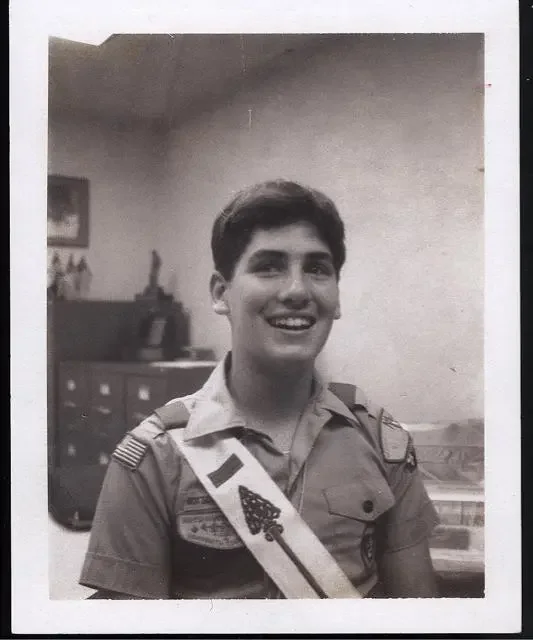
Four years later, 19yo James Dale — Eagle Scout, and assistant scoutmaster — was banned after the Boy Scouts saw a college newspaper quote identifying him as gay. He sued under New Jersey’s anti-discrimination law. The Supremes ruled 5-4 against him. Private organizations have a First Amendment right to exclude members whose presence conflicts with their message. The state couldn’t compel them to include him.
The government cannot target you, but a private organization can exclude you, and the courts may protect their right to do so. Boy Scouts did eventually begin allowing openly gay scouts and scoutmasters by 2015.
Progress has never moved in a straight line, the pendulum can swing back quickly.
More next week.