🏳️🌈🏺🛐 Bible 7: more queer heroes
🏳️🌈🏺 2-GAY IN HISTORY: Bible 7🛐🏳️🌈
Some of the best people, even in the Bible, are defined by difference.
Biblical law codes are famous for policing gender boundaries (Deut 22:5 5:22:5)—a verse plucked out of a laundry list to justify outlawing “cross dressing” and drag in the west until the civil rights era— it also banned (kĕlî geber) tools—or maybe methods—of the other gender. But the narrative tradition regularly presents figures whose heroics refute those gender stereotypes.
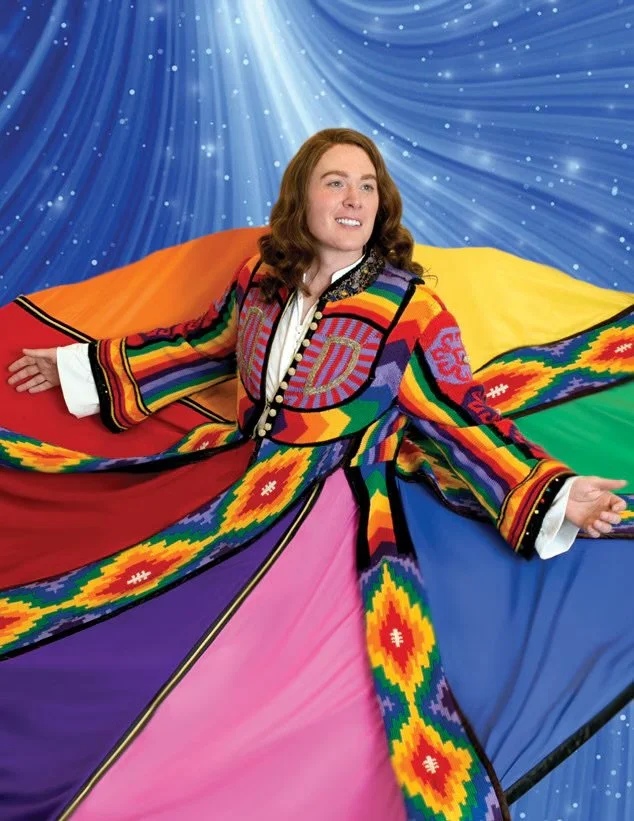
Joseph is introduced in a “coat of many colors,” flamboyant clothing that makes him stand out. The Hebrew phrase for Joseph’s garment (ketonet passim) appears elsewhere only in 2 Samuel 13:18 to describe the robes worn by royal virgin daughters.
Later Joseph himself is described as:
“beautiful in form and appearance.”
(Genesis 39:6)
A phrase otherwise used exclusively for women (and once for David, an oddity discussed in an earlier post). Joseph is aestheticized and desired, but in his story he refuses heterosexual advances at great personal consequence. He eventually succeeds not through conquest but through interpretation, emotional intelligence, and modes coded as feminine.
While the other patriarchs have prominent heterosexual love stories, Joseph’s wife is abruptly given to him by Pharaoh, barely mentioned, and present seemingly just to provide heirs.
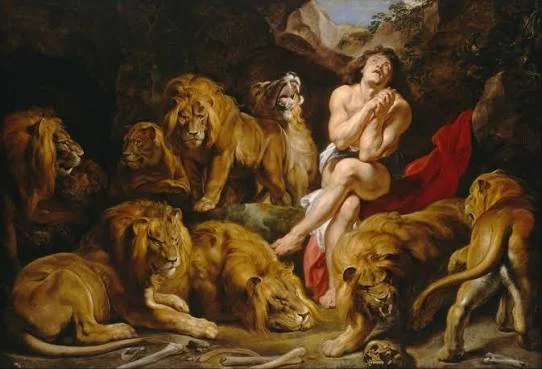
Daniel likewise inhabits the Babylonian imperial court, and the Hebrew text places him there with pointed specificity. He is delivered directly into the household of Ashpenaz, the sar hasarisim — the chief of the eunuchs. The text does not state that Daniel was castrated, and we should not assume. But it situates him inside a courtly world severed from lineage and fertility, under the authority of a man defined by that severance.
The Hebrew text of Daniel 1:4 already describes the selected young men — Daniel among them — as tovei mar’eh, good-looking, of beautiful appearance. And in Daniel 1:9, God grants Daniel hesed before Ashpenaz — steadfast love, covenant loyalty, the language of intimate faithfulness. The chief eunuch is drawn to Daniel, and the text names it in the same register it uses for sacred bonds.
Daniel refuses the royal food, resists the imperial renaming meant to assimilate him, and thrives not through force but through interpretation and devotion. He rejects the expectations of masculine conquest from inside the most gender-transgressive household in the ancient Near East.
Neither narrative names sexuality. But both cast Joseph and Daniel in a softer, more technicolor light.
They are not alone. The Bible celebrates women who use the tools and methods usually reserved for men as well. Deborah judges Israel and commands its armies. Jael assassinates an enemy general and is praised in Israel’s victory song: “Most blessed of women be Jael.” Older biblical law codes try to police gender, yet the narrative tradition repeatedly lauds heroes who cross those boundaries and thrive.
Joseph and Daniel stand as men whose beauty isn’t shied away from, whose nonconformity is prevalent, and whose difference becomes their strength. For all the talk of “warrior masculinity” in modern Christian men’s groups, the Bible itself shows there are many ways to be a “man”.