🏳️🌈🏺 Ric community center 7/8
🏳️🌈🏺2-Gay in History🏺🏳️🌈
When Out of the Closet Thrift opened in 2000, it did more than sell second-hand shirts—it built a bridge between Richmond’s decades of activism and a new generation of community care and political victories. Created by the Richmond Gay Community Foundation, led by Jon Klein, the shop funneled every purchase back into local LGBTQ programs, proving that sustainable funding could support visibility, advocacy, and art all at once.
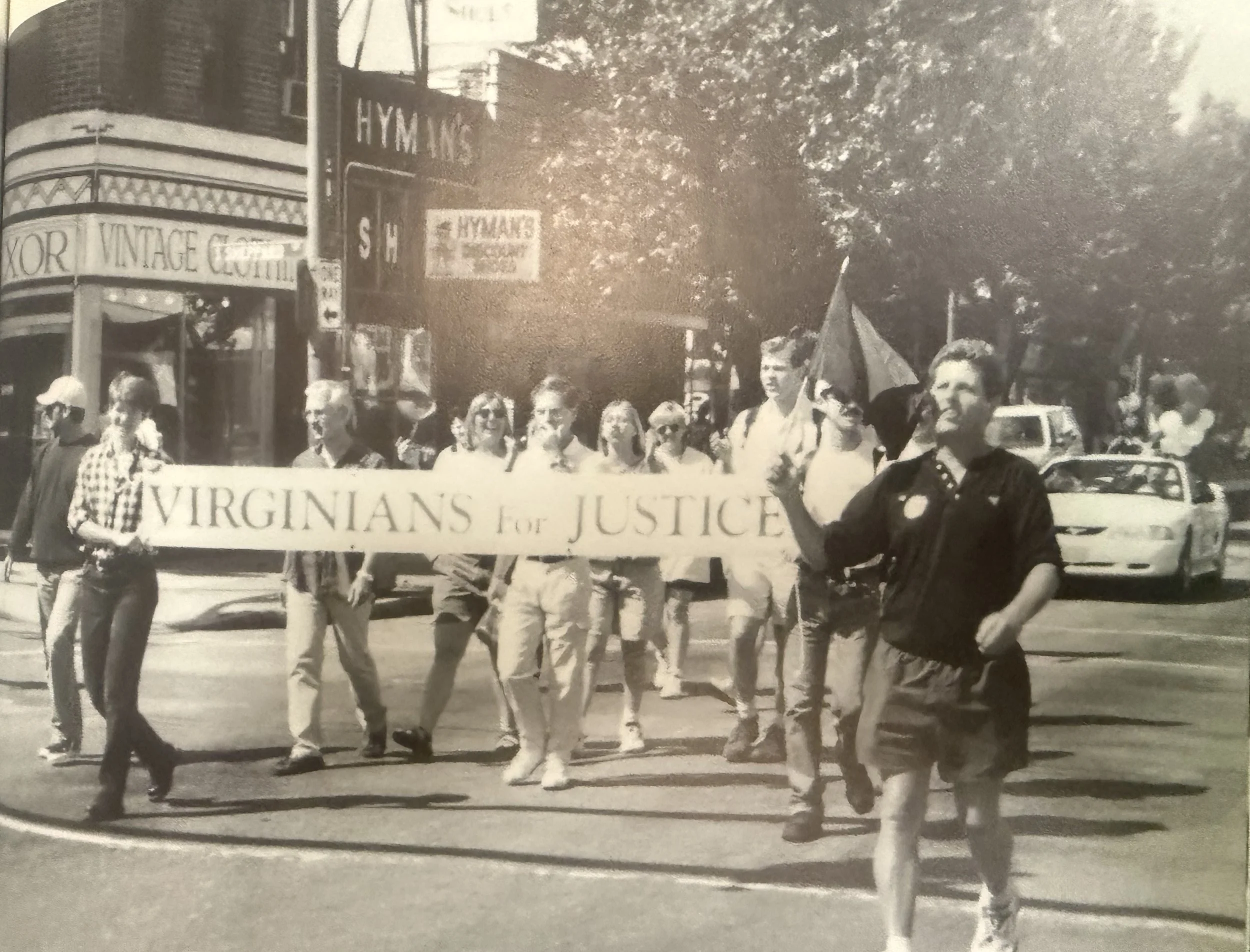
That storefront on Main Street carried the baton from the Richmond Virginia Gay and Lesbian Alliance (RVGLA)—a group that in the 1980s rallied through The Richmond Pride newspaper (later the Gayzette) and statewide organizing that helped shift public conversation from silence to visibility. Alongside the momentum of Virginians for Justice, activists fought for equality in the General Assembly, challenged the ABC’s anti-gay bar rules, and laid the groundwork for what would become Equality Virginia. Their lobbying and letter-writing turned Richmond’s image from begrudging tolerance to proud advocacy.
It wasn’t the only retail space, however—Phoenix Rising, selling rainbow everything along with the necessities of gay life and shelves of books and magazines, had already been operating in Richmond and Norfolk for several years by then.
Meanwhile, while ROSMY was offering safe spaces for LGBTQ youth and their parents were finding solidarity in PFLAG (Parents and Friends of Lesbian and Gays), students across the region began forming Gay–Straight Alliances in their own schools with support from the Richmond Gay, Lesbian and Straight Education Network (GLSEN)—proof that a new generation was finding community out in their classrooms as well.
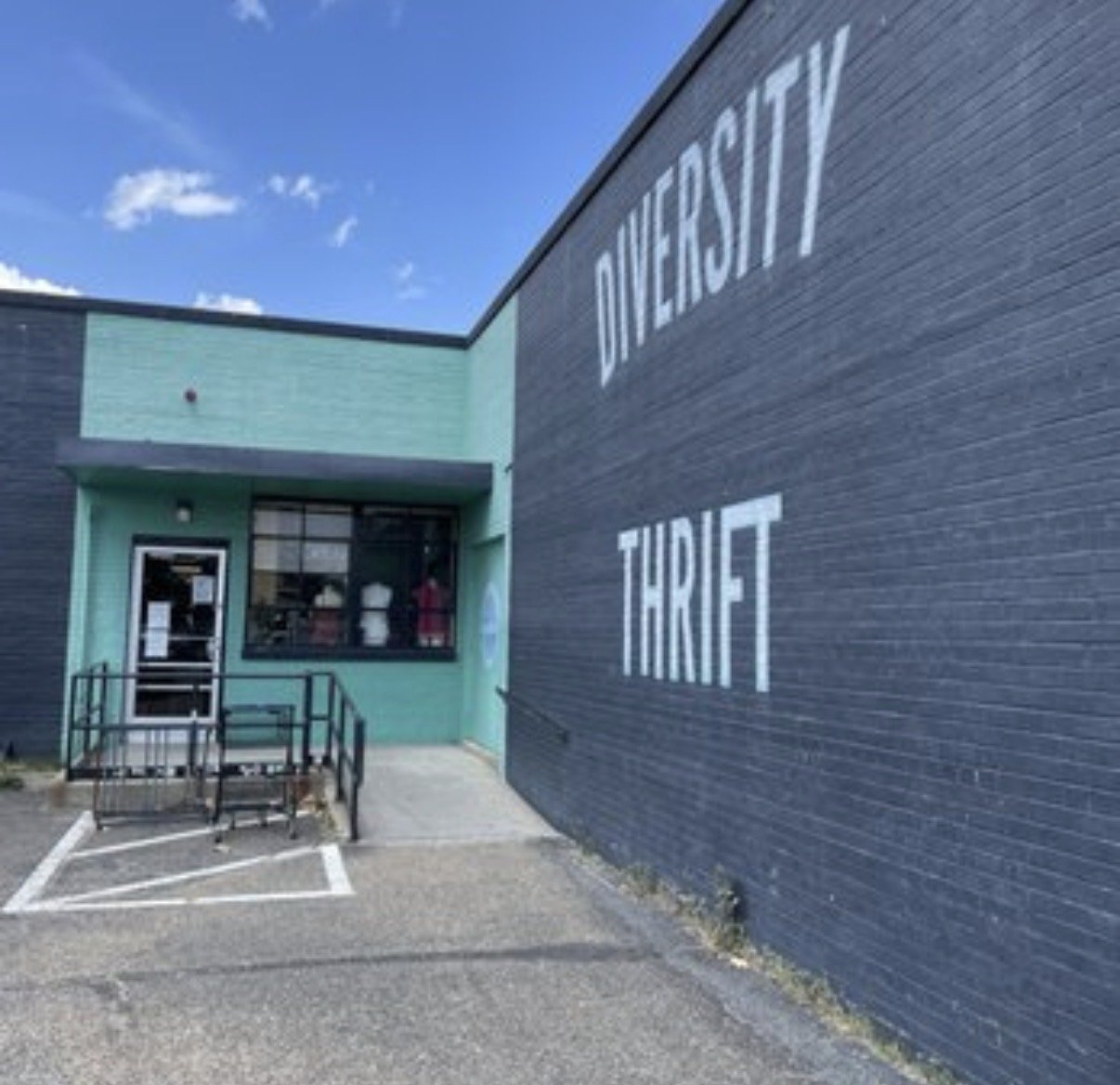
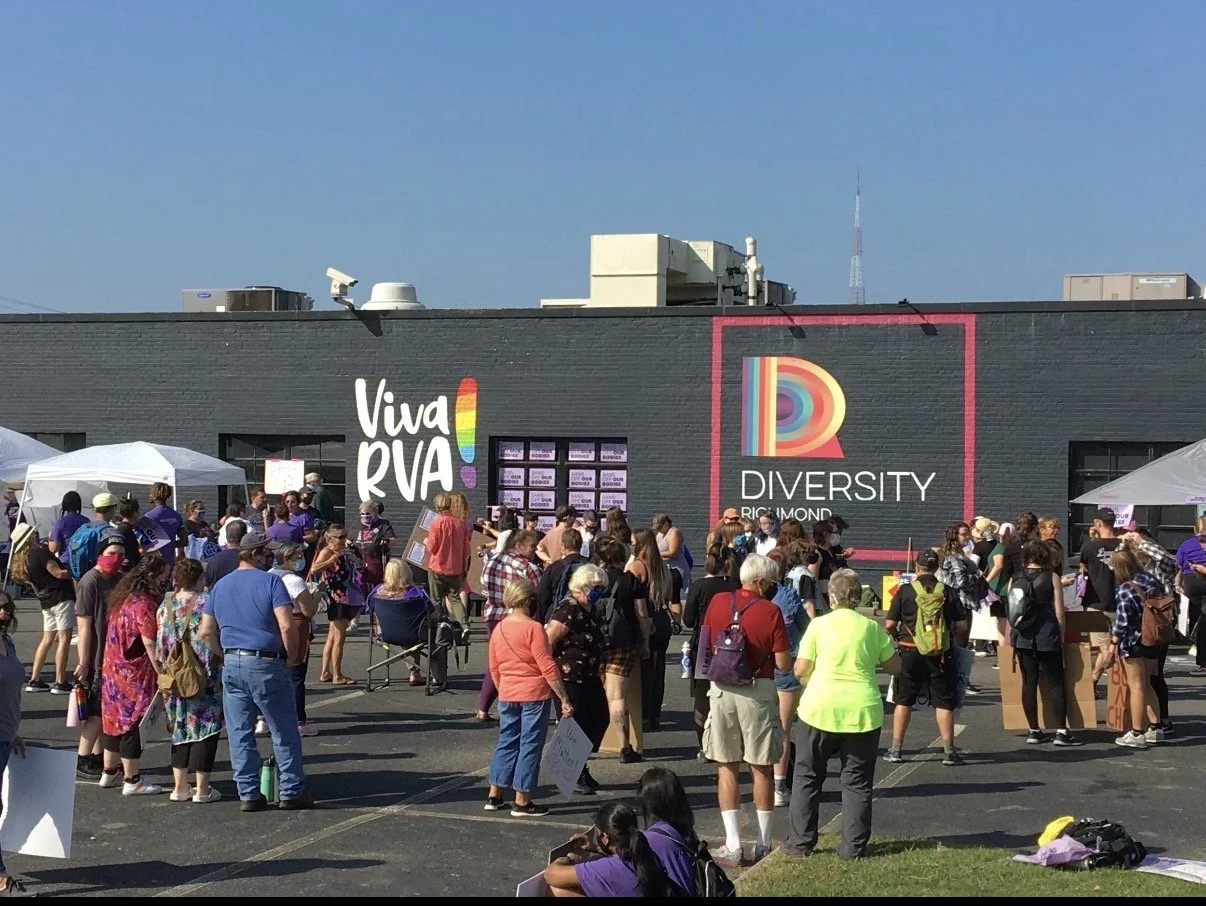
By 2008, years of Pride marches, outreach, and legal fights, took form as a permanent home for LGBTQ life. The success of Out of the Closet Thrift helped fund the purchase of the Gay Community Center of Richmond, just behind the Richmond Diamond, with community rooms, art galleries, and an expanded, newly named Diversity Thrift. It became a self-sustaining space where activism could pay its own rent—where every thrift sale helped fund youth programs, community events, HIV services, and the future.