🏳️🌈🏺2-GAY IN HISTORY 🏺🏳️🌈
Non-binary is not a modern thing, it’s not a 1:1 comparison, but it’s in the The Hebrew Bible
Yes, Deuteronomy excludes eunuchs from the assembly. That law reflects an ancient system obsessed with lineage, inheritance, and bodily conformity. Eunuchs are often treated as gender neutral, and non-reproductive in a world where value was measured by heirs, land and name continuity.
But in Isaiah 56 the prophet refute that exclusion directly:
“Let not the eunuch say, ‘I am a dry tree.’
… To the eunuchs who keep my sabbaths…
I will give in my house and within my walls
a name better than sons and daughters;
an everlasting name that shall not be cut off.”
In a culture structured around reproduction, this is not a minor exception. Meaning is detached from biology. Belonging is elevated above conformity. Covenant is detached from genitalia.
Scholars widely recognize Isaiah 56 as a deliberate counterpoint to Deuteronomic restriction. The canon preserves the changing attitudes.
The eunuch — once barred — becomes the bearer of an “everlasting name.”
Before modern categories existed, Scripture made a place for people whose lives did not align with patriarchal norms and promised them permanence inside the covenant.
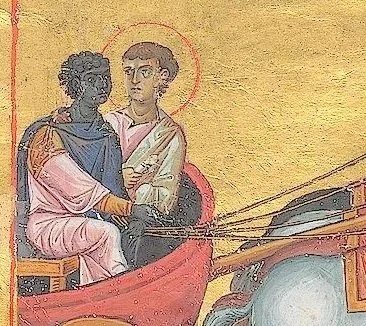
Centuries later in the Book of Acts, the Apostle Phillip, directed by an angel, meets an Ethiopian eunuch and reads to him this passage from Isaiah. The eunuch, used to exclusion based on his gender minority status, embraces Christianity and is baptized on the spot.
That promise remains in the text, a covenant with a community now maligned by “biblical christians.” Maybe it’s time they acted more like the prophets and the apostles.